Highlights van Europa
Europa is het werelddeel waar de meeste Nederlandse vakanties beginnen, en dat heeft een eenvoudige reden: op een paar uur rijden of vliegen liggen klimaten, talen en landschappen die nauwelijks meer van elkaar kunnen verschillen. Van de fjorden van Noorwegen tot de stranden van Kreta, van de Alpen tot de zuidkust van Spanje. Dat maakt de keuze ook lastiger dan het lijkt. De klassiekers zijn niet voor niets klassiek – Frankrijk, Italië en Spanje trekken al decennia de meeste Nederlanders – maar Albanië, Montenegro en Noord-Macedonië zijn de afgelopen jaren volwassen bestemmingen geworden met een fractie van de drukte. Wie een stedentrip zoekt, vindt in Midden-Europa nog altijd de beste verhouding tussen prijs en schoonheid. Wie ongerepte natuur zoekt, hoeft niet verder te kijken dan de Karpaten of IJsland. Op deze pagina staan alle 48 Europese bestemmingen van Top10gezien, met per land het klimaat, de beste reistijd en waar het land om bekendstaat.
Typisch
| Grootte t.o.v. Nederland | 245.1 keer groter |
| Laagste punt | -28 m |
| Hoogste punt | 5642 m |
Interessante boeken over Europa
-
Reisgids Moldavië - Moldova | Trescher Verlag | Frieder Monzer 18.95 €
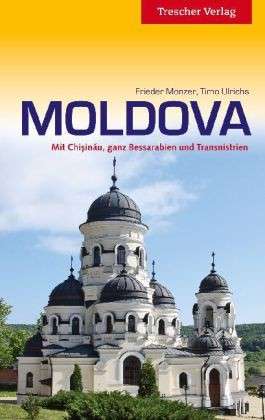
Goede Duitstalige reisgids met veel culturele beschrijvingen. Daarnaast ook aandacht voor praktische zaken als overnachten en rondreizen. Bijzondere... meer
Goede Duitstalige reisgids met veel culturele beschrijvingen. Daarnaast ook aandacht voor praktische zaken als overnachten en rondreizen. Bijzondere duitse uitgever, vaak als eerste een boek over een bepaald gebied of land. Zeer uitgebreide reisgids over Moldavië.
Dieses Buch ist der erste Reiseführer über Moldova (Republik Moldau, ehemalige Sowjetrepublik Moldawien). Von den teilweise grotesken Klischees über Moldova sollte man sich nicht abschrecken lassen: Das sympathische Land und seine freundlichen Bewohner bieten kulturinteressierten und naturverbundenen Touristen viele besuchenswerte Ziele.Die Autoren betrachten ›ihr‹ Land flächendeckend, wobei die Hauptstadt Chișinău mit ihrer Umgebung sowie die Landschaft am Fluss Dnister besondere Schwerpunkte darstellen. Fundierte Hintergrundinformationen zu Geschichte, Politik und Kultur finden sich in diesem Reiseführer ebenso wie ausführliche und aktuelle Reisetipps zur Vorbereitung einer Reise nach Moldova.Sympathie schließt Kritik nicht aus, so dass der Leser ein praktisches und ehrliches Nachschlagewerk vorfindet. Ein ergänzendes Kapitel widmet sich den Anreisewegen durch die Nachbarländer sowie den rumänischen Moldauklöstern.vorwort:epublik Moldau heißt offiziell ein liebenswerter kleiner Staat im Osten Europas mit gastfreundlichen Bewohnern, der in Medien des deutschsprachigen Raumes trotz vieler zukunftsweisender politischer und wirtschaftlicher Kontakte recht einseitig dargestellt wird. Diese Sicht entstammt wohl einer Denkweise, welche das Ost-West-Schema aus der Zeit des Kalten Krieges nicht völlig überwunden hat, beziehungsweise Europas Osthälfte mehr oder weniger bewusst ignoriert. In privaten Medien existiert Moldau scheinbar nur, wenn es um Menschenhandel und Schiebereien geht. Sogar öffentlich-rechtliche Fernsehsender erwähnen in ernst gemeinten Spielfilmen Landesgrenzen Moldaus zu Ländern, die gar nicht an Moldau grenzen. Dabei liegt die Republik Moldau nicht weiter vom deutschsprachigen Raum entfernt als das bei Urlaubern beliebte Spanien (Wien–Ungheni 1120 Kilometer, Görlitz–Edineţ 1140), man erreicht es per Auto mit einer Übernachtung beziehungsweise nach weniger als zwei Flugstunden ab Wien und kann sich selbst ein Bild machen. Der Alltag verläuft in friedlichen Bahnen, die Gastfreundschaft ist beeindruckend, mancher Einheimische strahlt mehr Elan und Lebensfreude aus als mancher Wohlstandsbürger im Westen.Natur und Kulturgeschichte bieten zwar wenig Potential für einen internationalen Massentourismus, halten jedoch viele interessante Entdeckungen bereit. Eine große Rolle in der Folklore spielen Frühlingsbräuche, mindestens ebenso malerisch präsentiert sich Moldau im Herbst mit seinen Wein- und Erntefesten. Die Hauptstadt Chișinău mit ihren Parks und Museen bildet unbestreitbar den Knotenpunkt des Landes, aber auch Landschaften und Gebäude in der Provinz lohnen einen Besuch. Man findet anmutige Gewässer, lange Nussbaumalleen, riesige Weinkeller, renovierte Sakralbauten und farbenfrohe Dörfer. Chișinău präsentiert sich als moderne Stadt, die alte Traditionen und orientalische Einflüsse nicht verleugnet. Am Boulevard Ștefan cel Mare herrscht eine einzigartige Mischung von Eleganz und Temperament, in den Parallelstraßen daneben besteht die historische Bebauung überwiegend aus einstöckigen Häusern.Eine Kombination von Sehenswürdigkeiten Moldaus mit denen der Nachbarländer ergibt durchaus längere Urlaubsprogramme, für Naturfreunde bietet sich dabei unterwegs ein Aufenthalt in den Karpaten an. Ebenso lohnenswert sind Verbindungen mit den Kulturzentren der Westukraine wie Lemberg (ukrainisch Львів, polnisch Lwów), Kamjanec'-Podil'skyj (Камянець-Подільський) oder Czernowitz (Чернівці). Am Schluss des Buches werden Regionen kurz vorgestellt, die sich für eine Unterbrechung der Reise auf dem Landweg nach Moldau besonders anbieten. -
Wandelkaart 65 Klopeiner See-Karawanken Ost | Kompass | 11.99 €

Goede wandelkaart met vrijwel alle topografische details en ingetekende routes. Ook met symbolen voor toeristische bezienswaardigheden, register. Be... meer
Goede wandelkaart met vrijwel alle topografische details en ingetekende routes. Ook met symbolen voor toeristische bezienswaardigheden, register. Berghutten duidelijk weergegeven. Gevaarlijke wandelroutes zijn goed herkenbaar. GPS toepasbaar. Inclusief een Duitstalig boekje met informatie en routesuggesties.
KOMPASS-Wanderkarten enthalten alles Wissenswerte für Wanderer wie aktuelle Wanderwege mit Markierungen, empfehlenswerte Radrouten und wichtige touristische Informationen.
Der topographische Inhalt wird bei aller Detailgenauigkeit leicht lesbar und anschaulich dargestellt.
Ein übersichtlich gestaltetes Beiheft mit zahlreichen Farbfotos informiert über Orte und Schutzhütten sowie empfehlenswerte Touren, Sehenswürdigkeiten und Freizeiteinrichtungen.
Reis en Vakantie Top 10Europa is vertegenwoordigd in de volgende reis top10's: |
Bestemmingen in Europa
- © 2010-2026 top10gezien.nl
- over deze site
- disclaimer
- adverteren
- contact